
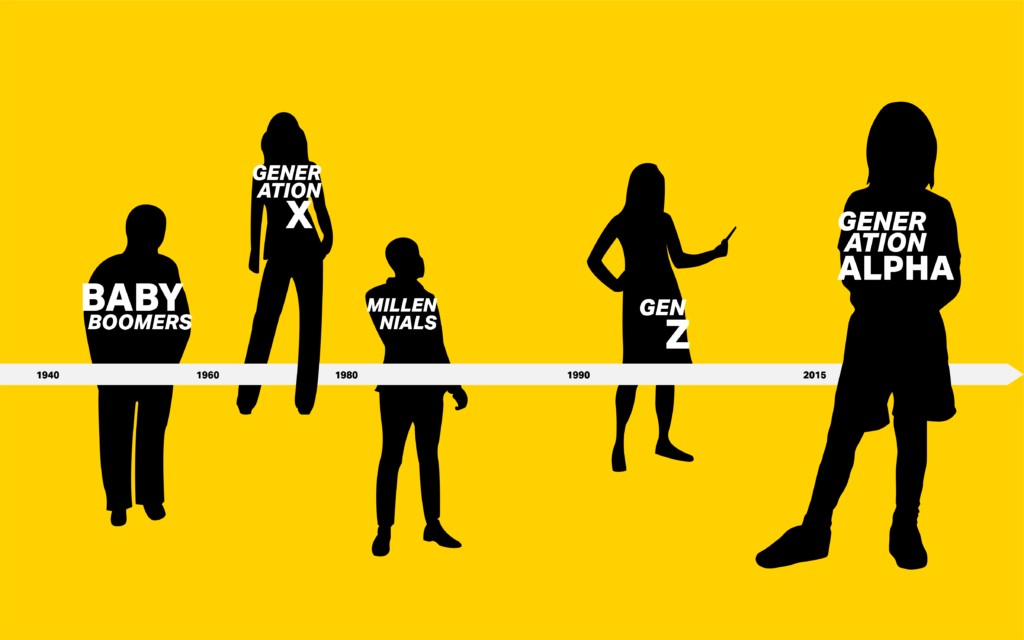
Why Marketing to Gen Alpha Is Different
Unlike previous generations, Gen Alpha is not adapting to technology—they were born into it. Gen Alpha–focused branding requires understanding their expectations for speed, interactivity, and personalization. They don’t just consume content; they actively participate, create, and share digital experiences.
Key Strategies for Marketing to Gen Alpha
• Hyper-Personalization in next-generation consumers
Gen Alpha has grown up with algorithm-driven platforms like YouTube Kids and TikTok. As a result, they expect personalized content that reflects their individual interests. Generic messaging has little to no impact on this generation.
• Interactive and Immersive Experiences
Successful marketing to Gen Alpha relies heavily on gamification and immersive environments. Platforms such as Roblox and Minecraft act as social ecosystems where brands can create meaningful engagement rather than traditional advertisements.
• Authenticity and Social Awareness
Gen Alpha is highly aware of social and environmental issues. They value transparency, ethics, and purpose-driven brands. Companies that fail to demonstrate authenticity risk losing trust early.
• Short-Form and Visual Content
Attention spans are optimized for short-form video. Effective marketing to Gen Alpha includes visually engaging, fast-paced content on platforms like TikTok and YouTube Shorts.
The Role of Parents and “Pester Power”
Gen Alpha strongly influences the purchasing decisions of their Millennial parents. Smart Generation Alpha audience includes a dual strategy—engaging children through fun, safe content while reassuring parents about quality, education, and values.
Compliance and Safety in Marketing to Gen Alpha
Brands must ensure all campaigns comply with child privacy regulations and platform safety standards. Ethical responsibility is a non-negotiable component of long-term success.