
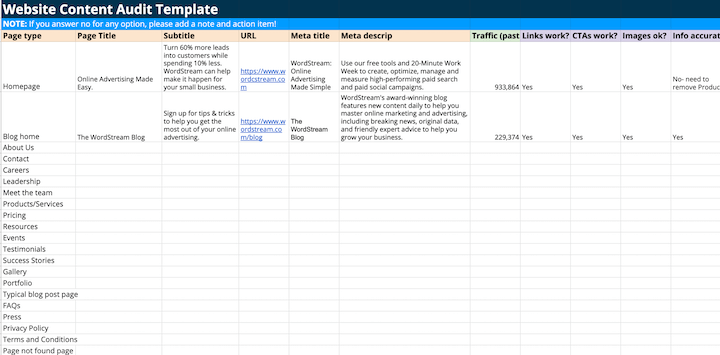
In the rush to create new, trendy content, many digital marketers overlook one of the most powerful tools in their SEO arsenal: the Content Audit. A content audit is a systematic review and analysis of all the content assets on your website. It is a crucial process for identifying high-performing content to update and low-performing content to consolidate or remove, ensuring every piece on your site is working towards your business goals [1].
What Is a Content Audit for SEO?
A Content Audit for SEO is a systematic evaluation of all content assets on a website. It helps marketers identify which pages are performing well, which need improvement, and which should be removed or consolidated. Google rewards websites that consistently provide relevant, updated, and high-quality information—making content audits essential for long-term SEO success.
Why a Content Audit for SEO Is Important
Regular audits improve both visibility and authority. By reviewing existing content, you can align your website with current search intent, algorithm updates, and user expectations.
Key Benefits of a Content Audit for SEO
• Identify Content Gaps
A content audit reveals topics your audience is actively searching for, but your site does not yet cover, creating opportunities for new, high-impact content.
• Boost SEO Performance
One major benefit of a Content Audit for SEO is finding “low-hanging fruit”—pages already ranking on page two or three that can reach top positions with optimization and updates.
• Improve User Experience (UX)
Outdated, duplicate, or irrelevant pages confuse users and dilute authority. Cleaning them up improves navigation, engagement, and trust.
• Consolidate Topical Authority
Multiple weak articles on the same topic can be merged into a single comprehensive pillar page, strengthening rankings and authority.
How to Run a Content Audit for SEO Effectively
Track key metrics such as organic traffic, bounce rate, keyword rankings, conversions, and backlinks. Based on performance, apply the K-U-R framework:
- Keep high-performing content
- Update underperforming but relevant pages
- Remove or redirect outdated or irrelevant content
Long-Term Value of a Content Audit for SEO
When performed regularly, a Content Audit for SEO transforms your website into a focused, high-performing content ecosystem. Instead of publishing endlessly, you maximize the ROI of existing content—ensuring sustained rankings and SEO stability.
The primary goal of a content audit is to improve your site’s overall quality and authority. Google’s algorithms reward sites that consistently provide fresh, high-quality, and relevant information. By auditing your existing content, you can:
•Identify Content Gaps: Discover topics you haven’t covered that your audience is searching for.
•Boost SEO Performance: Find “low-hanging fruit”—content that is already ranking but could reach the top spots with a simple update or refresh.
•Improve User Experience (UX): Remove outdated, inaccurate, or redundant pages that confuse visitors and dilute your site’s authority.
•Consolidate Authority: Merge multiple weak articles on the same topic into one comprehensive, authoritative “pillar” page.
A successful content audit involves tracking key metrics like organic traffic, conversion rates, bounce rate, and keyword rankings for every page. The resulting action plan typically involves three main strategies: Keep, Update, or Remove (K-U-R). Content that is performing well is kept; content that is underperforming but still relevant is updated and optimized; and content that is outdated or irrelevant is removed or redirected.
By regularly conducting a content audit, you transform your website from a sprawling archive into a lean, powerful, and highly optimized content machine. This strategic approach ensures that your “older content” continues to deliver value and contribute to your long-term SEO success.
References: [1]: # “WordStream. How to Run a Content Audit: Full Guide + 6 Free Templates. (https://www.wordstream.com/blog/content-audit )” [2]: # “Digital Marketing Institute. What are the Digital Marketing Trends for 2025? (https://digitalmarketinginstitute.com/blog/digital-marketing-trends-2025 )”